
What Tattnall County Court Dockets Show
A docket is the running list of events in a court case. In Tattnall County, a docket may show the court, case number, party names, filing dates, hearing dates, motions, orders, pleas, judgments, warrants, and disposition. It can show that something happened without giving the full text of the document. For example, a docket entry may say a motion was filed or an order was entered, while the motion or order itself must be requested from the clerk if public and available.
Georgia court structure also affects docket access. Superior Court is the general jurisdiction trial court for felonies, divorce, equity, title-to-land issues, and appeals from lower courts. State Court can handle misdemeanors and traffic matters where active. Magistrate Court handles small claims, dispossessory cases, county ordinances, bad checks, warrants, and preliminary hearings. Probate Court has its own files for estates, guardianships, marriage licenses, and mental health proceedings. Municipal docket information usually belongs to the city that issued the citation or ordinance case.
A Tattnall docket can be current or historical. Current dockets are tied to the office handling the case. Older docket books, city court records, and courthouse-era files may no longer be searched through the same workflow as modern electronic records. The Tattnall Archives page is unusually important here because it names historic court records as part of its holdings. For an old probate matter, city case, or early Superior Court dispute, the archive can be the more realistic starting point than a modern provider login.
- Docket
- A chronological case event list.
- Disposition
- The final or current outcome of a case or charge.
- Order
- A judge's written ruling or instruction.
- Motion
- A request asking the court to rule before or during a case.
Find Tattnall County Court Dockets Online
Tattnall County does not publish a verified free countywide docket portal in the sources reviewed. The search path starts with the Clerk of Superior Court for Superior, State, and Juvenile records, then moves to Georgia provider systems when an electronic docket is available. The Georgia Courts court-structure resource is useful because it explains which court type likely controls the docket before a user contacts the wrong office.
- Determine the court from the citation, notice, warrant, pleading, or party paperwork.
- For Superior, State, and Juvenile matters, contact the Clerk of Superior Court or check Georgia provider systems.
- For Magistrate, Probate, or Municipal matters, use the office that owns that docket.
- Use party name, case number, court type, case type, and an approximate hearing or filing date.
- Request certified copies from the custodian if the docket entry alone is not enough.
The Georgia Courts navigating-the-courts page supports the docket search by identifying the role of each court class.
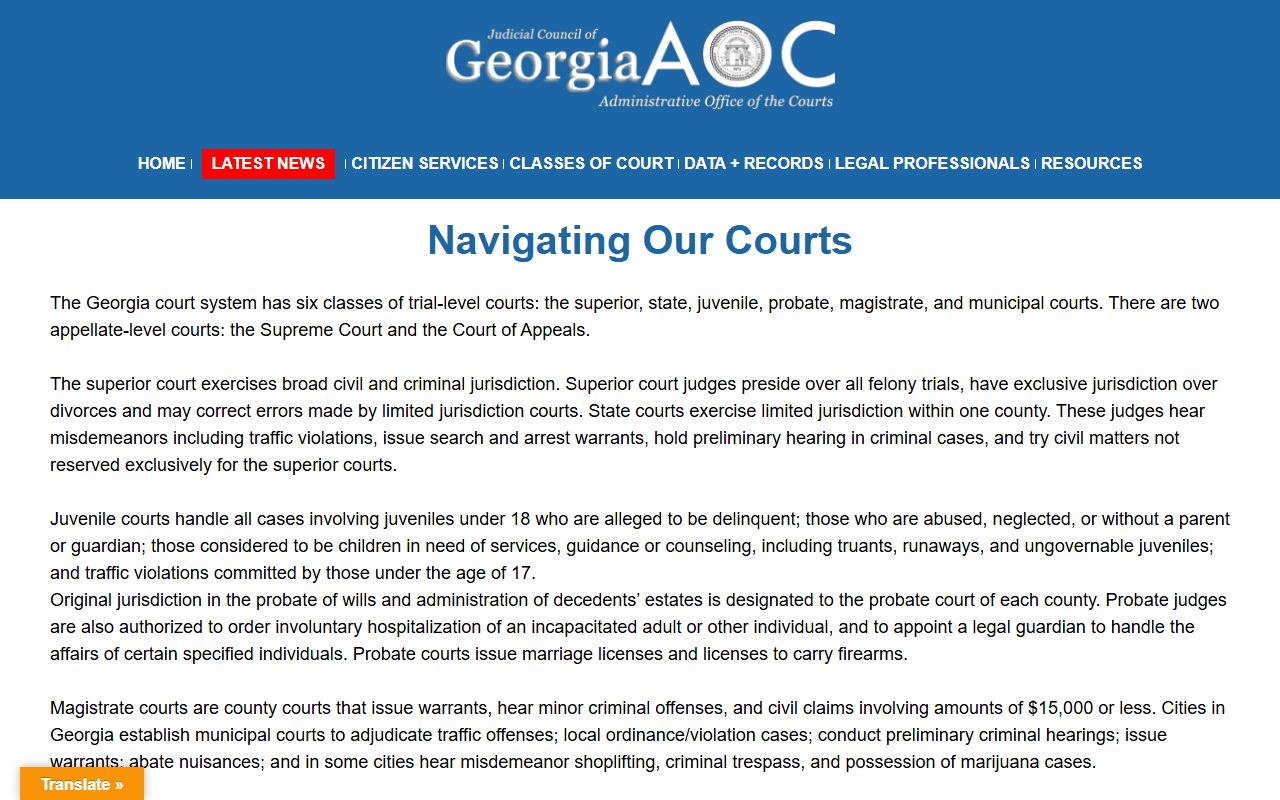
That statewide structure check is especially important in Tattnall because dockets may sit with Superior, State, Magistrate, Probate, or a city court.
Sample Tattnall County Docket Entry
The research did not locate a public sample Tattnall civil or criminal docket screen, so the field inventory below uses the official data fields identified across Tattnall court and jail sources. A docket entry should be read as an event summary. It may point to a filing, hearing, charge event, order, or disposition, but it may not include every document image. When the entry is tied to a criminal case, the full file should be confirmed with the Clerk or prosecutor.
Some docket entries are easy to misread. A hearing entry may be a scheduled setting, not proof that the hearing actually occurred. A continuance may move a date without changing the merits of the case. A charge entry may show the allegation at that time, not a conviction. A disposition entry is more useful, but even then the certified order, judgment, sentence, or decree is the document that usually carries legal force.
| Field | What It Shows |
|---|---|
| Entry date | The date a filing, hearing, order, warrant, or status change was entered. |
| Case number | The court tracking number used by the clerk or court office. |
| Event type | Filing, hearing, motion, order, plea, judgment, disposition, or calendar event. |
| Party or attorney | The person, lawyer, agency, plaintiff, defendant, petitioner, or respondent tied to the entry. |
| Court | Superior, State, Juvenile, Magistrate, Probate, or Municipal venue. |
| Disposition | The current or final status when an outcome has been entered. |
Tattnall County Courts With Dockets
The Clerk of Superior Court maintains criminal, civil, and domestic-suit dockets and prepares court calendars. GSCCCA lists the Tattnall clerk as managing Superior, State, and Juvenile courts. That does not mean every docket is published online. It means the Clerk is the right starting office for those case classes. The Clerk page also says the office manages juries, subpoenas, appeals, garnishments, adoption filings, and court calendars.
| Court or office | Docket role | Contact path |
|---|---|---|
| Superior Court | Felonies, divorce, major civil, equity, title-to-land, and lower-court appeals. | Clerk of Superior Court, 912-557-6716. |
| State Court | Misdemeanor, traffic, and limited civil matters where active. | Confirm with Clerk of Superior Court. |
| Juvenile Court | Child welfare and delinquency matters with restricted access. | Clerk manages records, but public access is limited. |
| Magistrate Court | Small claims, dispossessory, ordinances, bad checks, warrants, and preliminary hearings. | 912-557-4372. |
| Probate Court | Estates, guardianships, marriage licenses, oaths, and mental health proceedings. | 912-557-6719. |
| Municipal courts | City ordinance and traffic cases. | Contact Cobbtown, Collins, Glennville, Manassas, or Reidsville. |
Tattnall Dockets vs Case Records
A docket is a map of the case. The full case record is the file that may include pleadings, exhibits, orders, charging documents, sentencing records, and certified copies. In Tattnall County, the difference matters because provider systems, Clerk records, and office requests do not always expose the same level of detail. A docket entry can be enough to confirm a court date or disposition. A certified order, decree, sentence, or judgment usually requires the custodian.
| Docket | Full Case Record | |
|---|---|---|
| Format | Chronological event list. | Documents, orders, pleadings, and record images when available. |
| Best use | Track status, hearing dates, filings, and outcomes. | Review legal text, certified orders, and complete case content. |
| Access | May appear in provider systems or office indexes. | May require clerk review, copy fees, or in-person access. |
| Limits | May omit document text and restricted entries. | May be redacted, sealed, confidential, or partly withheld. |
The GSCCCA portal supports clerk-related statewide services and search products, but it is not a replacement for every Tattnall court docket.
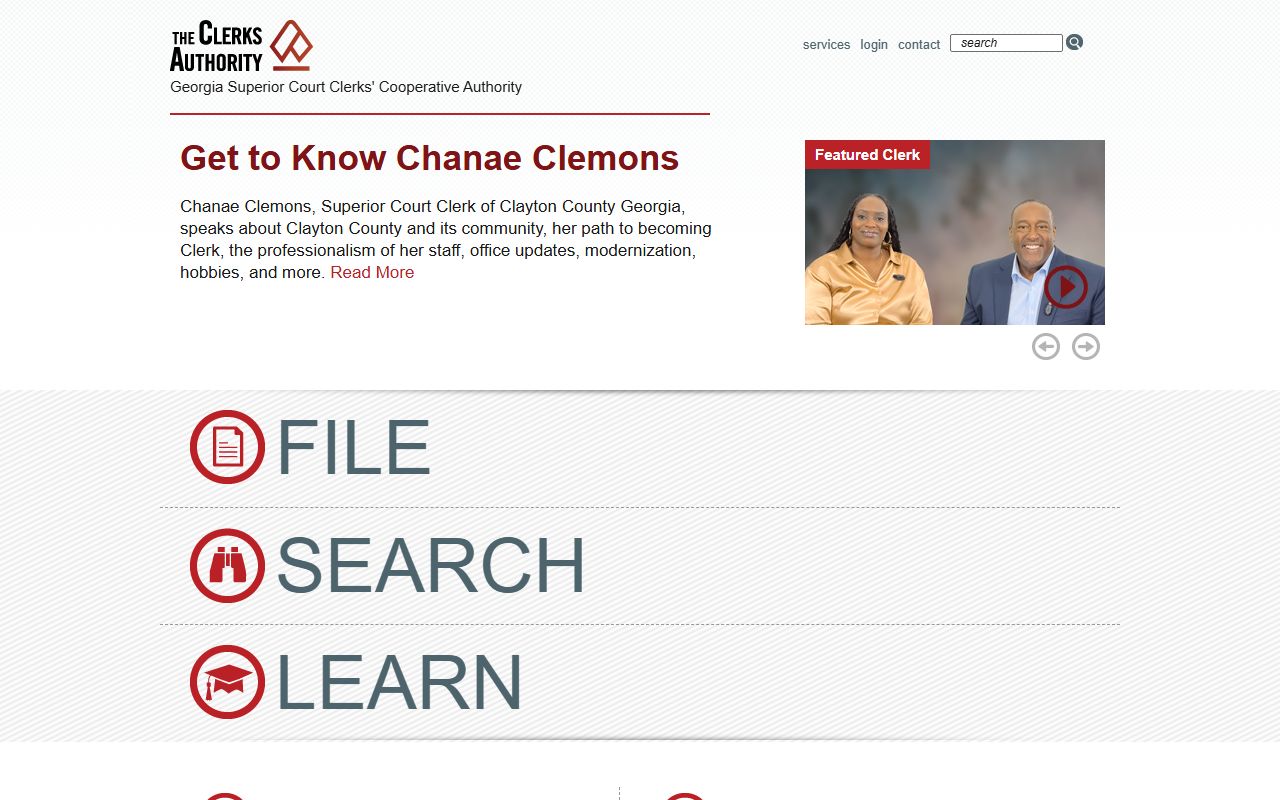
GSCCCA is most useful when the search is tied to clerk services, real estate, UCC, plats, liens, notary, or statewide clerk information.
Tattnall County Docket Provider Limits
Georgia provider systems can help, but they have boundaries. Georgia Courts e-access redirects users to a provider and says an account is required. re:SearchGA promotes case information and documents across participating counties, but public research did not verify full Tattnall coverage. GSCCCA offers statewide clerk search products, including real estate and PT-61 tools. Cost schedules may apply for certified copies, filings, or clerk services.
Copy cost is another reason to verify the custodian before ordering. The research located a statewide Superior Court clerk cost-schedule source, but not a Tattnall-specific civil or criminal docket-copy total. The county open-records page says charges may be incurred and the requester will be contacted before processing if costs apply. That means a docket request should state whether the person wants inspection, plain copies, certified copies, or a specific order. A broad request can cost more and take longer than a narrow case-number request.
The GSCCCA search page shows the kind of statewide search products that can sit beside, but not replace, the local docket request path.
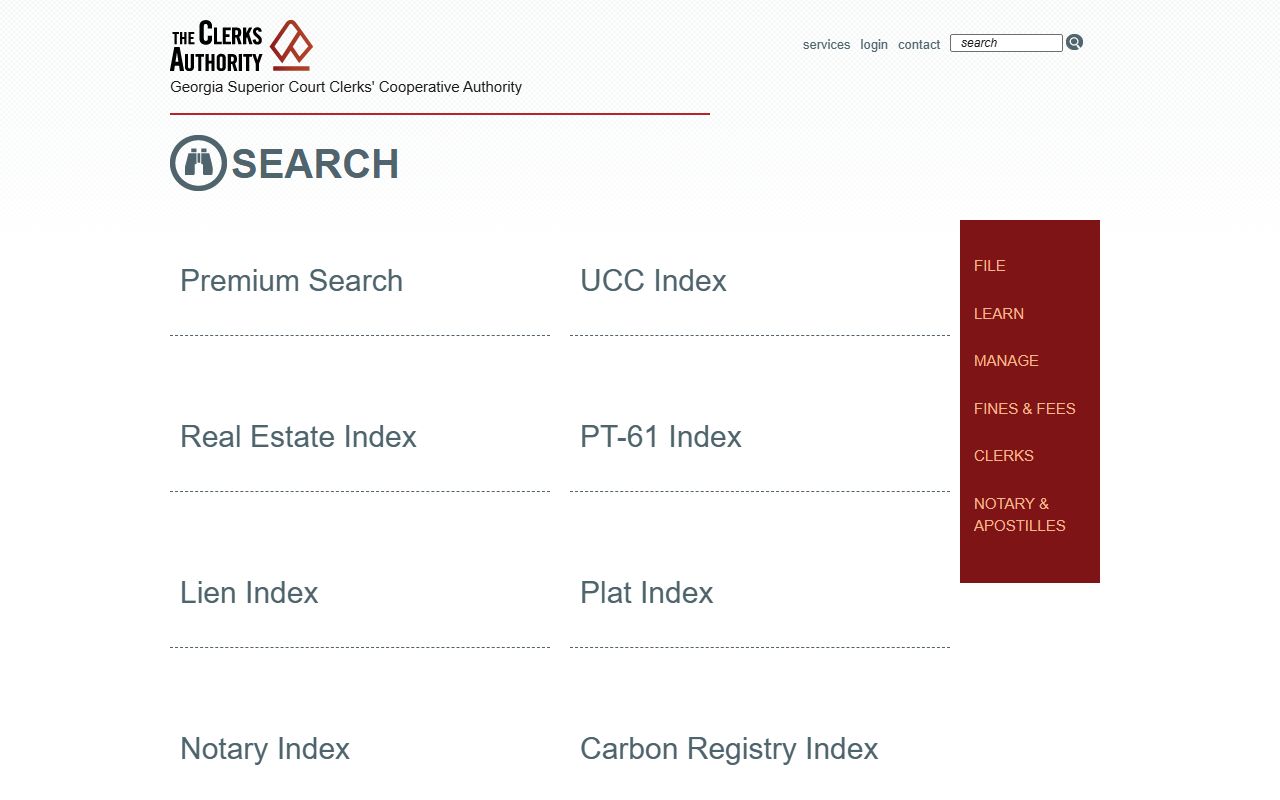
A missing result in one Georgia provider should be followed by a Clerk, court, or archive request when the case may still exist.
The Superior Court Clerks of Georgia cost schedule page is the statewide fee reference located in the research.
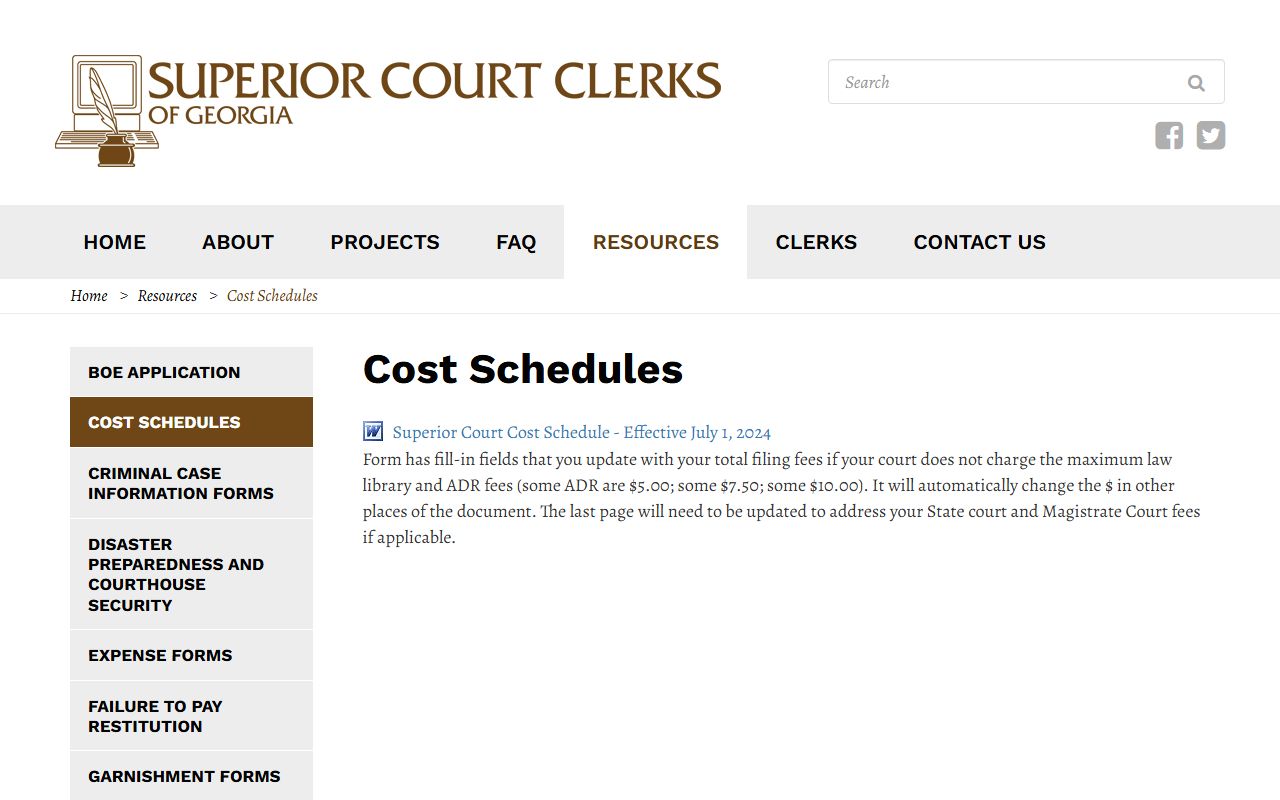
Tattnall-specific copy totals were not located in the official research, so requesters should confirm current charges with the Clerk before ordering docket copies.
Read Tattnall County Docket Events
Read a docket from oldest to newest unless the system sorts newest entries first. The first entries often identify the complaint, petition, accusation, indictment, citation, or warrant. Later entries may show service, answers, motions, orders, hearing notices, continuances, pleas, trial events, judgments, sentence, appeal, or dismissal. A disposition is the outcome entry, not always a conviction. In a civil case, it may be judgment or dismissal. In a criminal case, it may be guilty plea, not guilty verdict, nolle prosequi, dismissal, or sentence after conviction.
Older docket research can require the Tattnall Archives. The Archives page says historic court records include Superior, Probate, City, County, and other courts, and the Archives is located in the historic Old Jail on the Courthouse Square. Its published public hours are Friday afternoons from 12-4 by notice, with visits arranged by calling 912-557-6049. That archive fallback is especially useful when a docket predates modern indexes or belongs to a historic city or county court.
Docket readers should also watch for court transfer signals. Magistrate Court has no jury trials, and a defendant may remove a case to Superior Court when a jury trial is requested. Appeals from lower courts can also move into Superior Court. That means the first docket does not always hold the last event. If the last entry suggests transfer, appeal, jury demand, or probation enforcement, follow the case to the receiving court before treating the docket as final.
Note: A docket entry confirms an event, but certified legal proof usually requires the clerk's stamped copy or court-issued order.