
Tattnall County Arrest Records and Court Charges
Tattnall County arrest records begin with the law-enforcement and jail side of the event. Sheriff Kyle Sapp's office is responsible for jail operations, warrants, court security, civil process, and law-enforcement duties, and the county jail inmate page links to the official InteropWeb current inmate inquiry. That inquiry can show current inmates, 24-hour arrests, and inmates by arrest date. It is not a promise of a complete historical mugshot database. It is an official public roster for people currently booked or recently arrested.
The court charge record begins when the case moves from arrest data into a filed charge or court action. A charge row may first appear in jail data with warrant number, statute, description, felony or misdemeanor marker, court, bond, and arresting agency. The final filed charge, plea, dismissal, conviction, or sentence must be confirmed through the court file or prosecutor. For the full criminal case file and outcome, use Tattnall County criminal court records.
This distinction is important in Tattnall because the jail inquiry can include current inmates, recent arrests, wanted-person notes, probation violations, child-support lockup orders, and warrants connected to other courts. Those entries are custody and charge indicators. They do not by themselves prove that the Atlantic Judicial Circuit DA filed an accusation, that a grand jury returned an indictment, or that a judge entered a final sentence.
The Atlantic Circuit Public Defender page identifies the defense office that serves eligible Tattnall defendants.

Defense counsel is often the right source when a pending arrest or charge question involves bond, court dates, pleas, or restriction options.
Find Tattnall County Arrest Records
The fastest official online arrest-side source is the Tattnall current inmate inquiry linked from the county jail inmates page. It has tabs for Current Inmates, 24 Hours Arrests, and Inmates by Arrest Date, plus an optional inmate-name filter. An inmate profile can show photo placeholder, name, current booking status, sex, height, weight, address, arrest date, arresting agency, days in jail, total bond, and a charge table. The charge table observed in research includes warrant number, counts, statute, description, felony or misdemeanor marker, and court.
The county gateway includes a disclaimer. It says the Sheriff's Office provides current inmate information as a public service, works to keep it accurate and up to date, and asks that discrepancies be reported. That disclaimer is another reason to treat the roster as a starting point. A charge row should be followed by the court or prosecutor path when the person needs the filed charge, the court date, the plea, or the final outcome.
- Use the county jail inmate gateway and accept the disclaimer if using the official roster.
- Search Current Inmates, 24 Hours Arrests, or Inmates by Arrest Date.
- Open the inmate profile and read the charge table, bond field, court, and arresting agency.
- Confirm filed charges, accusation, indictment, plea, and disposition with the Clerk or prosecutor.
- Use Magistrate Court, State Court, Superior Court, or a city court when the charge came from that venue.
The Atlantic Judicial Circuit DA open-records page is a prosecutor-side source for records connected to charging decisions.
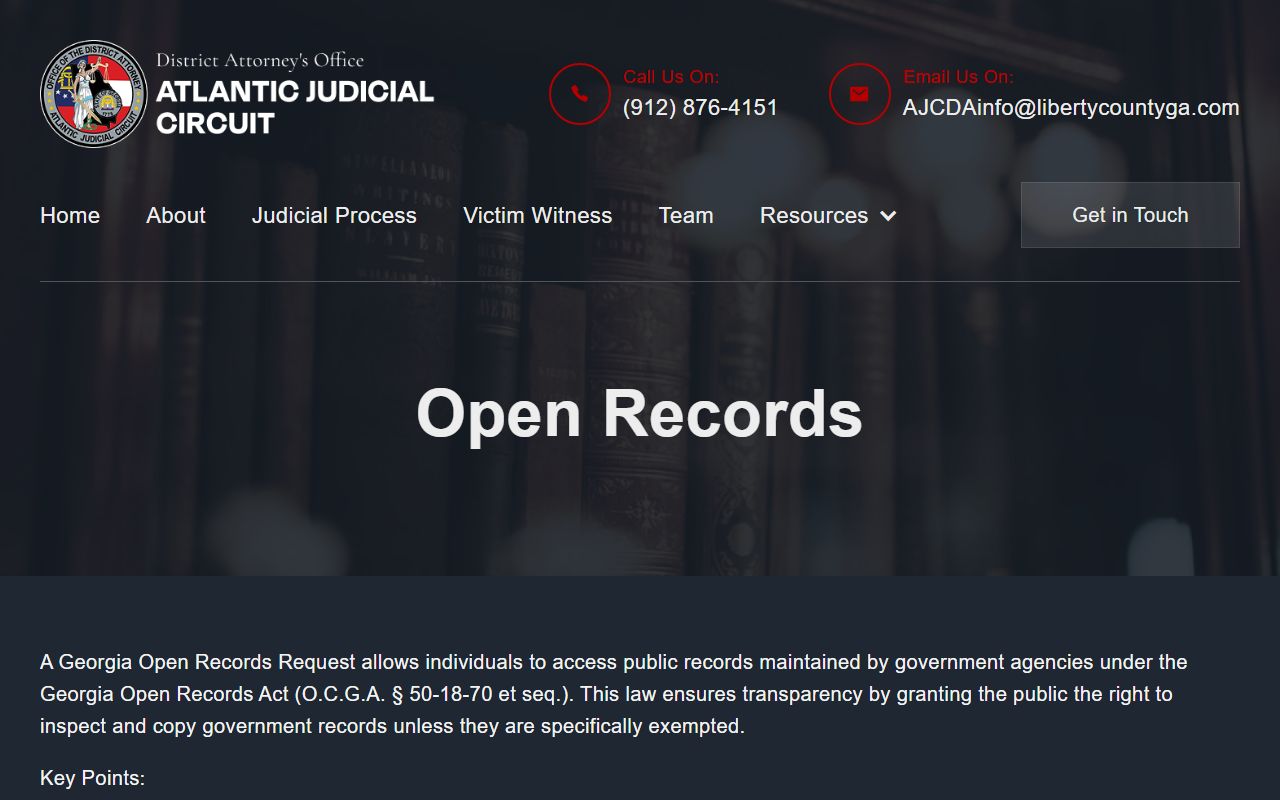
DA records can matter when the question is why a charge was filed, amended, dismissed, or not pursued after arrest.
Tattnall Charges After Arrest
Charges after arrest can be filed through different legal documents. Georgia research for Tattnall identifies indictment and accusation as key criminal terms, and the DA FAQ says the prosecutor pursues, amends, or dismisses charges based on facts and circumstances. A complaint can start a case or state an initial allegation. An accusation is a prosecutor-filed charging document often used for non-indictment cases. An indictment is a grand-jury charging document for certain criminal cases.
| Complaint | Accusation / Information | Indictment | |
|---|---|---|---|
| Filed by | Officer, complainant, or prosecutor depending stage. | Prosecutor. | Grand jury. |
| Common use | Initial allegation, warrant, or lower-court start. | Many non-indictment prosecutions. | Felony or serious case charging route. |
| Record effect | May start a case or support early process. | Creates formal court charge counts. | Creates formal grand-jury charge counts. |
Tattnall Charge Status Terms
Charge status can change after arrest. One arrest can produce several charge rows. Some may move forward, while others are amended, reduced, dropped, dismissed, or restricted later. The jail roster is a snapshot of custody and charge data, not a final judgment. The court file and prosecutor record decide whether the charge is still pending, was filed in a different form, ended in a plea, or was dismissed.
| Status | What It Means |
|---|---|
| Pending | The charge has not reached final disposition in the court record. |
| Amended | The prosecutor or court changed the charge wording, count, or severity. |
| Reduced | The charge was lowered to a less serious count or offense level. |
| Dismissed | The court ended the charge without a conviction on that count. |
| Nolle prosequi | The prosecutor declined to continue pursuing the charge. |
GBI criminal history restrictions explains Georgia's record restriction process under O.C.G.A. 35-3-37.
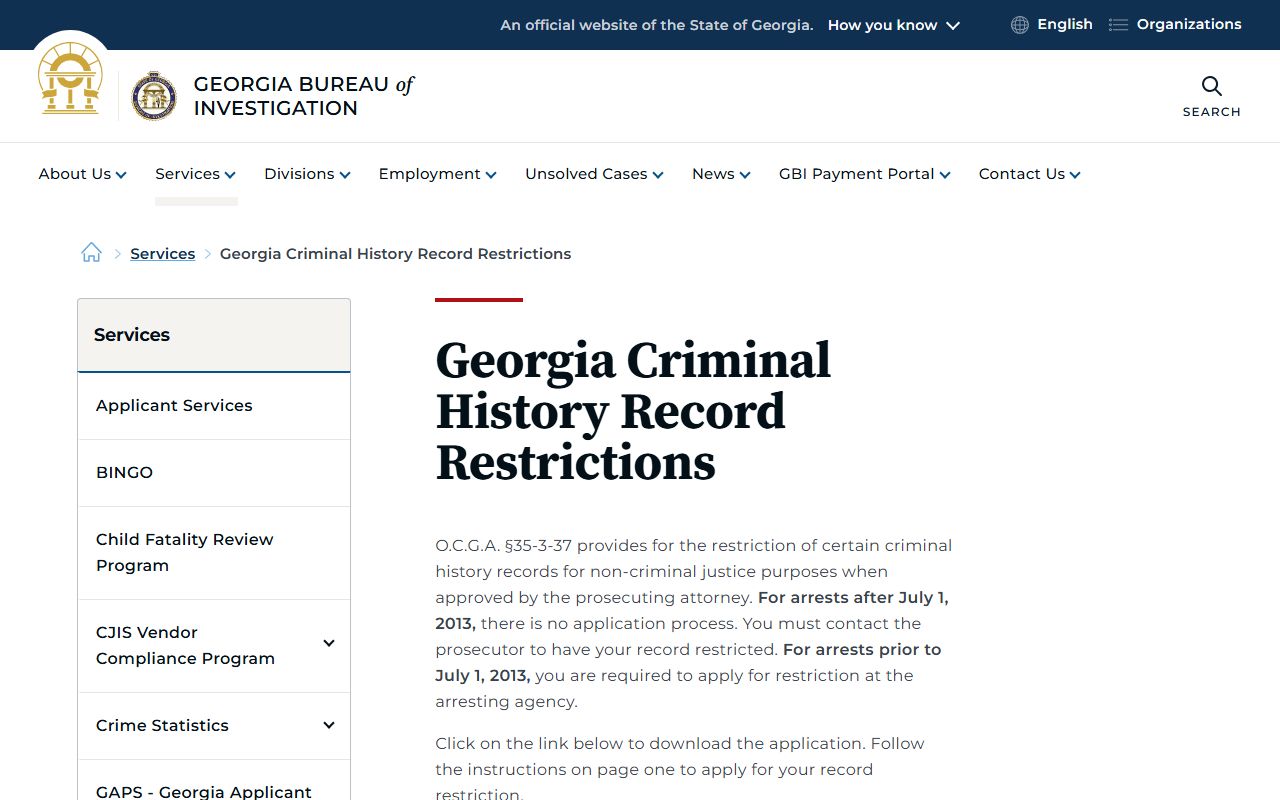
Restriction rules are relevant when an arrest or charge did not lead to a conviction or otherwise qualifies under Georgia law.
Tattnall Charges vs Convictions
A court charge after arrest is an allegation or filed count. A conviction is a final outcome after a guilty plea, accepted plea, verdict, or other court finding of guilt. The distinction is crucial in Tattnall because the inmate roster may show active charge rows for a currently booked person, while the court record later shows a dismissal, amendment, plea, nolle prosequi, or sentence. Do not treat an arrest record or charge row as proof of guilt.
| Charge | Conviction | |
|---|---|---|
| Timing | Appears after arrest, warrant, accusation, or indictment. | Appears after plea, verdict, or court finding. |
| Meaning | The state alleges an offense. | The court has entered guilt and sentencing may follow. |
| Can change? | Yes, it can be amended, reduced, added, or dismissed. | Changes usually require later court action or appeal. |
| Where to verify | Jail roster, Clerk, Magistrate, DA, or issuing court. | Certified disposition or sentencing order from the court. |
Tattnall Charge Codes and Courts
Jail roster charge rows observed in Tattnall show O.C.G.A.-style statute numbers, charge descriptions, counts, a felony or misdemeanor marker, and the court. Court values observed included Superior Court and State Court. Charge examples in the research included aggravated assault, battery, terroristic threats and acts, obstructing or hindering an emergency telephone call, wanted person, failure to register as a sex offender, probation violation, child-support lockup order, trafficking, possession, no insurance, and seatbelt adult.
Counts also matter. One arrest can list multiple counts under one statute or separate counts under several statutes. Bond can be shown as a dollar amount, not set, or denied at the profile level, but bond is not a finding of guilt. Arresting agency can be local or outside the county. The court column is often the clue that tells whether to ask Superior Court, State Court, Magistrate Court, or another venue for the next record.
Those rows identify the arrest-side or custody-side charge data. They do not show every court document. A felony case in Superior Court may later show indictment, arraignment, motions, plea, trial, disposition, and sentencing. A misdemeanor or traffic-related matter may move through State, Municipal, or another court route. A warrant number may point to Magistrate Court or another issuing court. If the roster court value and the paperwork do not match, use the Clerk, Magistrate Court, Sheriff's Office, or prosecutor to confirm the active venue.
Statewide Tattnall Charge Lookups
Statewide systems can supplement local arrest records and court charge records, but they serve different purposes. The Georgia Bureau of Investigation handles criminal history and restriction information. The Georgia sex offender registry is separate and tied to O.C.G.A. 42-1-12. The Georgia Department of Corrections offender search applies to sentenced state-prison custody, not county jail detainees. GCIC and NCIC warrant data are law-enforcement controlled, and the research did not locate a public statewide active-warrant search.
Tattnall also publishes sheriff-related monthly jail booking and undocumented alien arrest reports under Georgia jail reporting statutes. Those reports support transparency but are not a substitute for the current inmate inquiry or the court file. Use them as context when a booking month matters, then confirm the active charge status through the roster, Clerk, court, or prosecutor.
The Tattnall current inmate inquiry is the official roster source for current inmates and recent arrest-side charge rows.
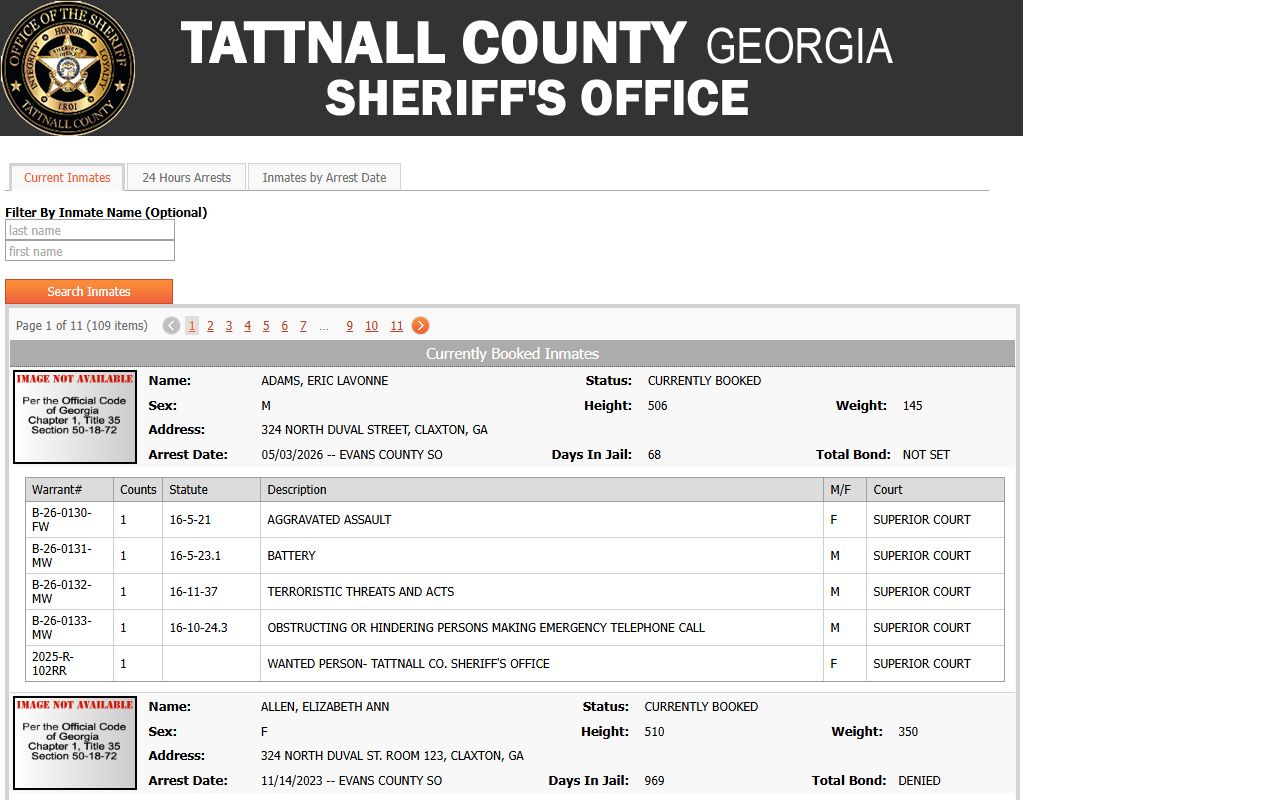
That roster is the strongest online local source for arrest-side charge data, while final case results remain with the court record.
Restricted Tattnall Arrest Records
Georgia record restriction can limit access to some arrest and criminal-history records. For arrests after July 1, 2013, the GBI says there is no application process and the person must contact the prosecutor to have the record restricted. For arrests before that date, the process starts with the arresting agency. In Tattnall felony cases, the Atlantic Judicial Circuit District Attorney is likely the prosecutor contact. For qualifying misdemeanor matters, check the solicitor or prosecutor handling the case.
| Record Restriction | Court Sealing | |
|---|---|---|
| Scope | Limits criminal-history dissemination for qualifying arrests. | Limits public access to court-file material. |
| Starting office | Prosecutor or arresting agency depending arrest date. | Court or Clerk handling the case. |
| Common confusion | May not remove every court reference. | May not change all state criminal-history databases. |
Use Tattnall Charge Records Carefully
Arrest records and charge records can be incomplete if read alone. A person may have been booked on a warrant from another county, released on bond, charged by accusation later, indicted on different wording, dismissed on one count, or convicted on another. Public copies may also omit protected identifiers, juvenile details, sealed records, adoption records, mental health matters, and family-violence protected information. When the result matters, verify it with the originating office.
Important: A Tattnall arrest or charge row is not a conviction and should be checked against the final court disposition.